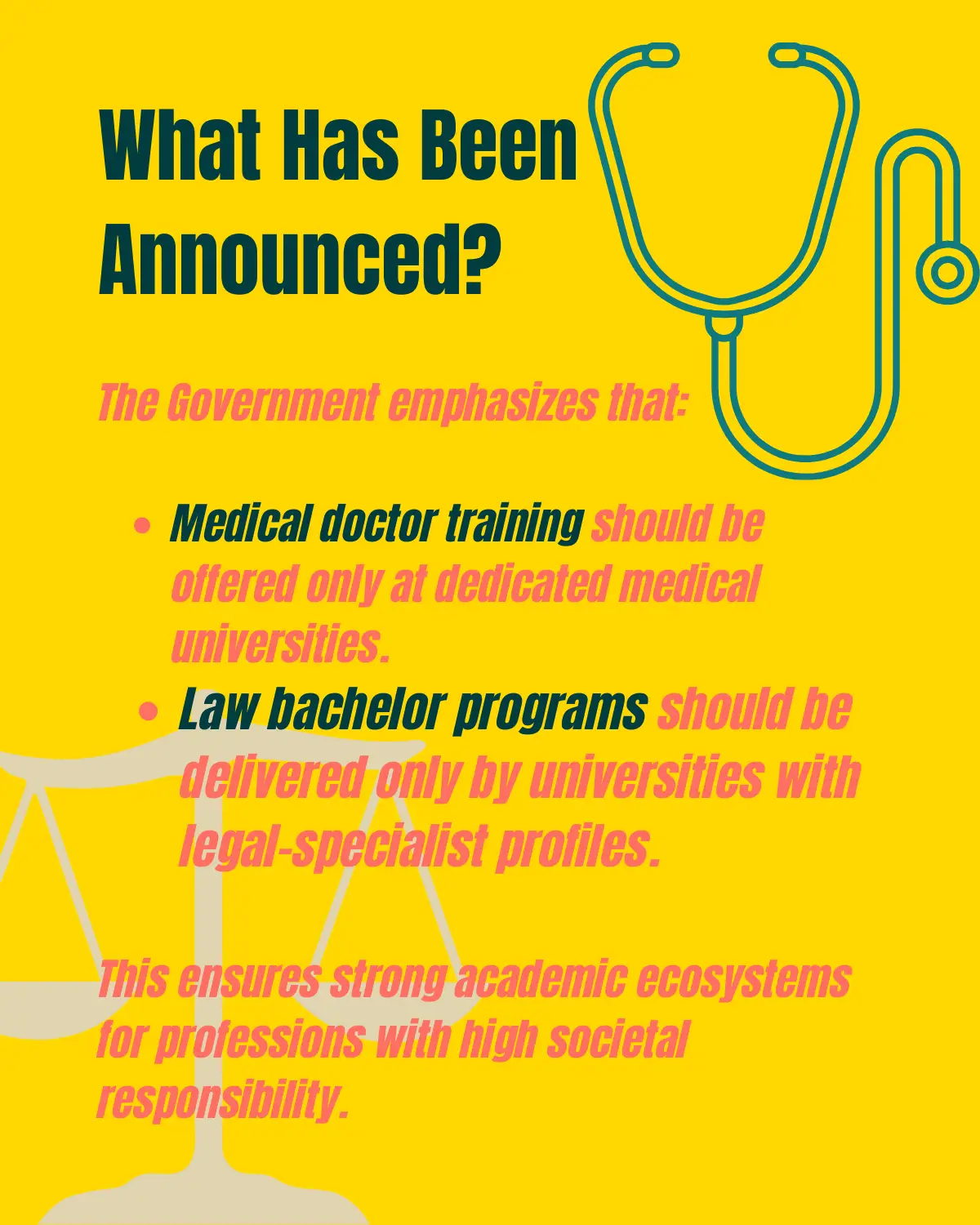
Recent government guidance on the training of medical doctors and graduates has prompted broader reflections within Vietnam’s higher education sector. Although the announcement focuses specifically on medical education, it signals wider strategic intentions: stronger institutional profiles, enhanced quality assurance, and a more sustainable foundation for long-term sector development.
Three themes are particularly noteworthy:
1. Clearer institutional profiles
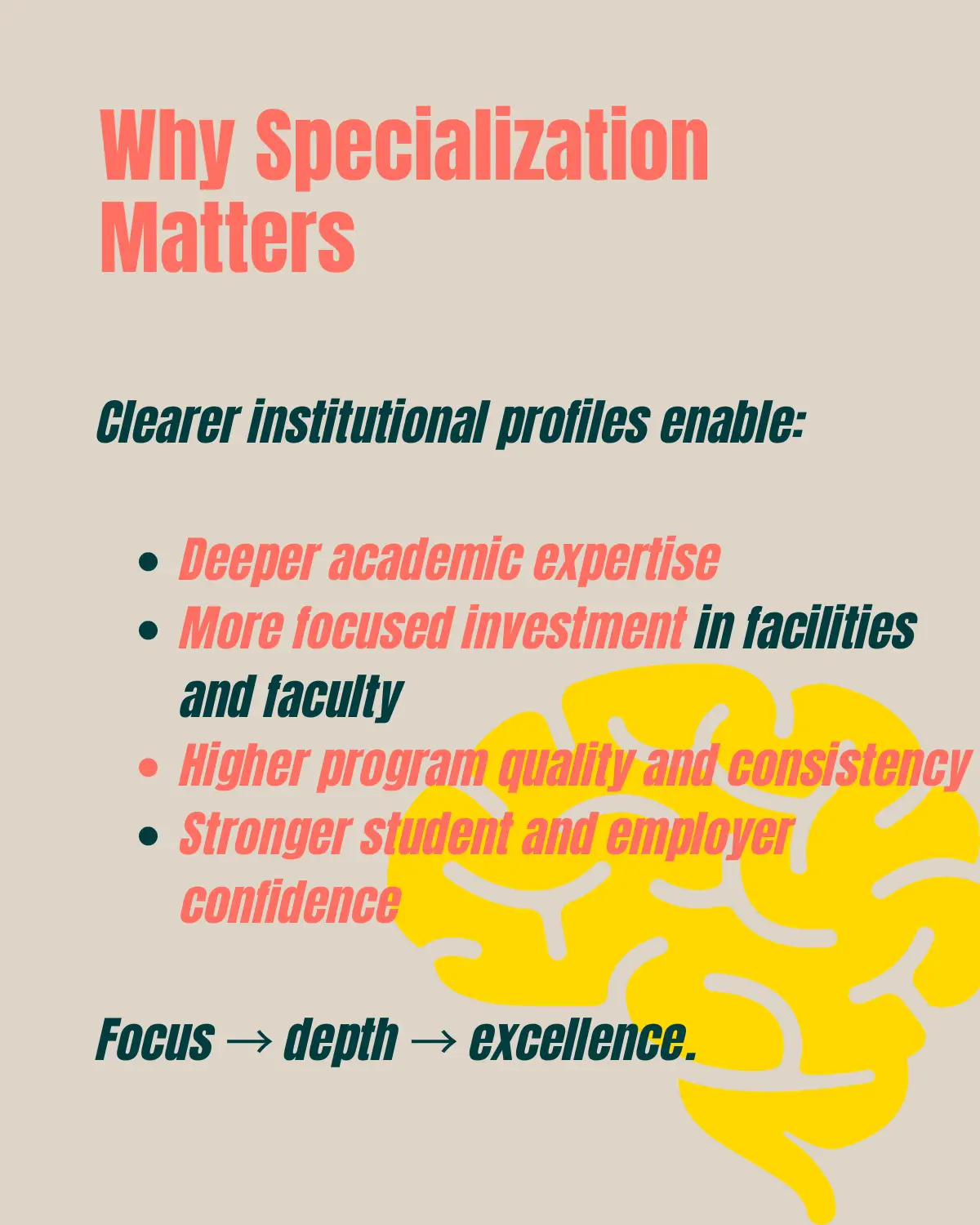
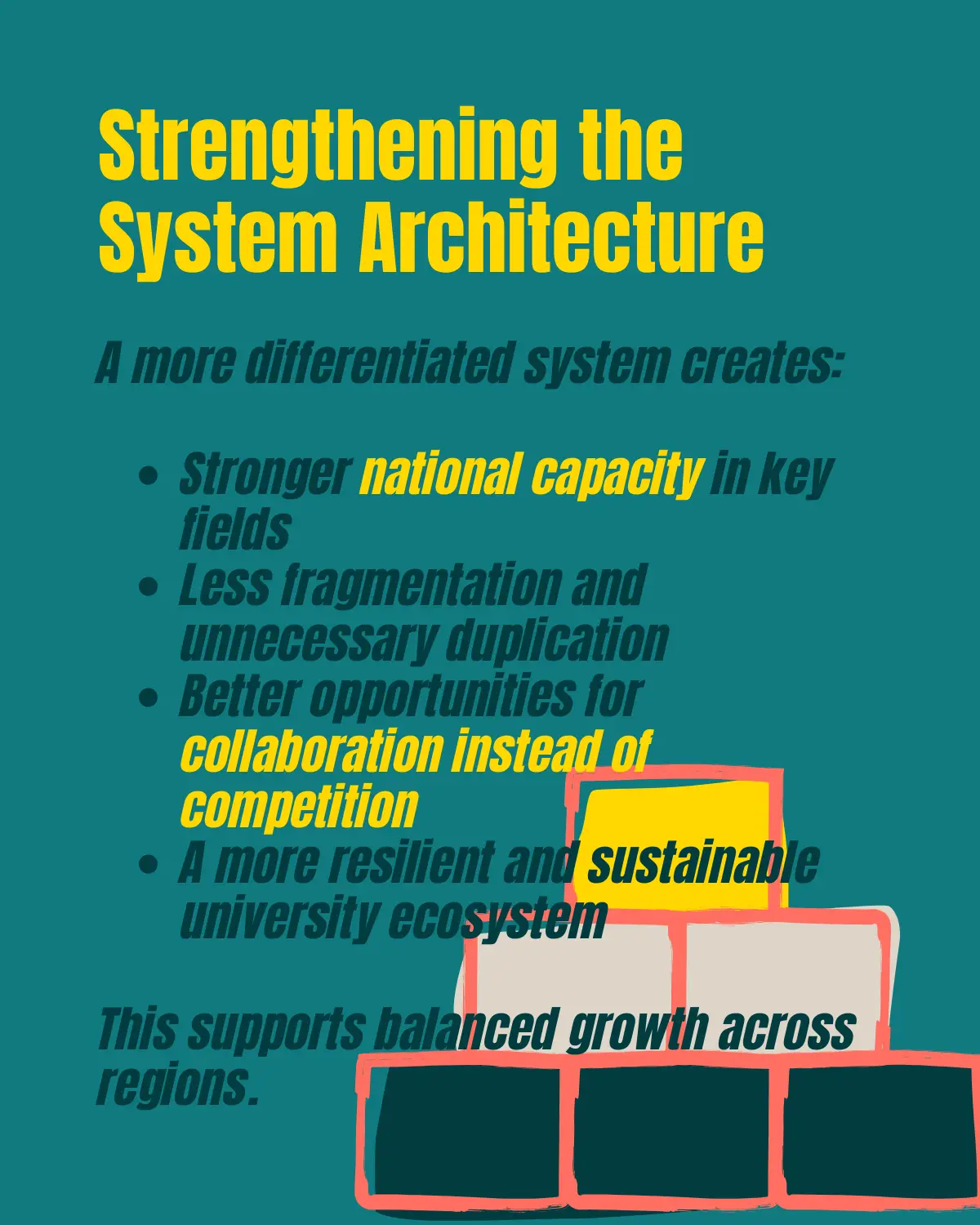
Universities are encouraged to concentrate more sharply on their core strengths and to develop deep expertise in carefully selected disciplines. This aligns with ongoing national efforts to increase system relevance and reduce fragmentation.
2. renewed commitment to quality
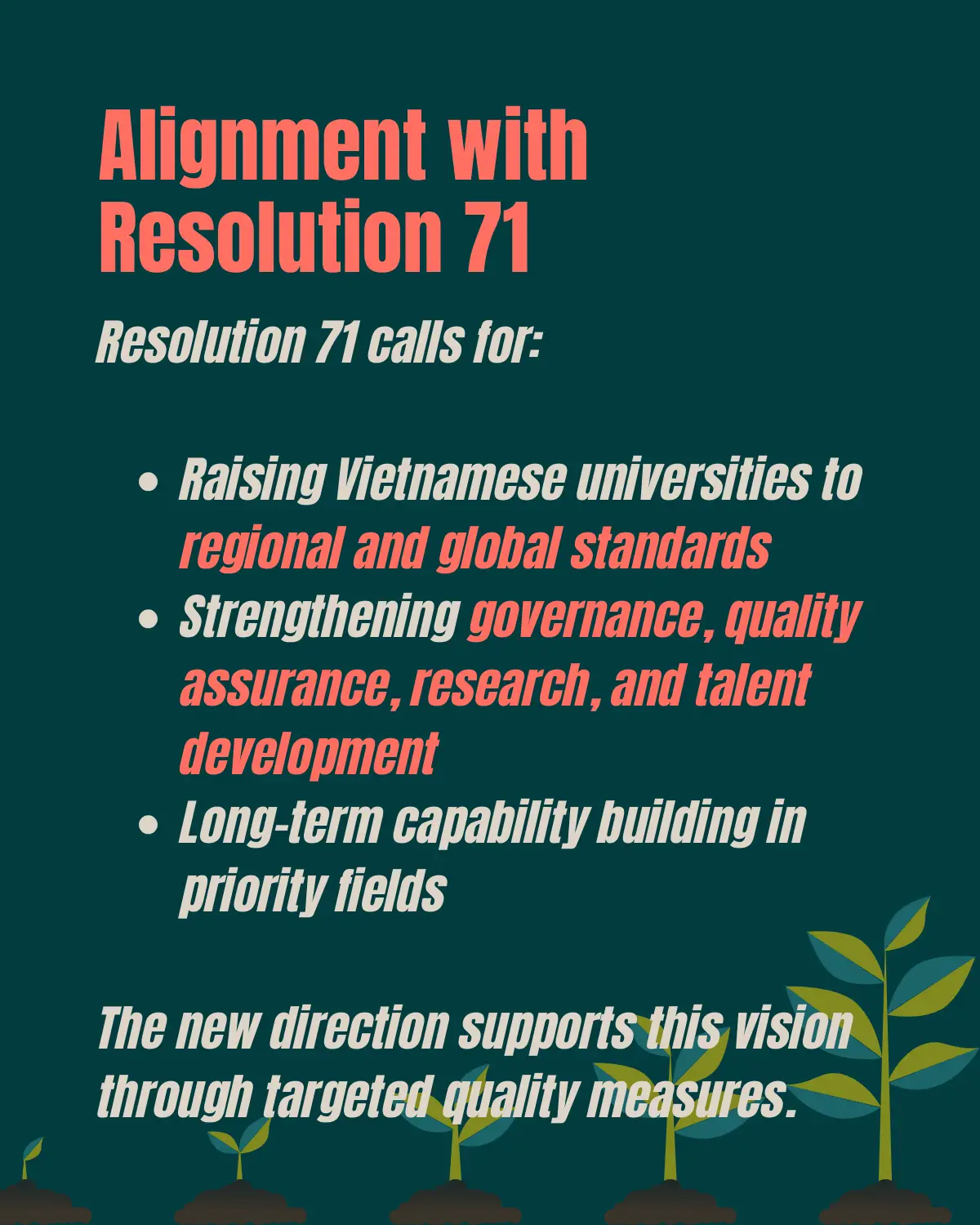
The emphasis on stronger quality assurance mechanisms and alignment with Resolution 71 underscores Vietnam’s ambition to advance its universities toward regional and global standards. Governance systems, evidence-based decision making, and performance transparency will play increasingly important roles.
3. Stronger foundations for long-term development
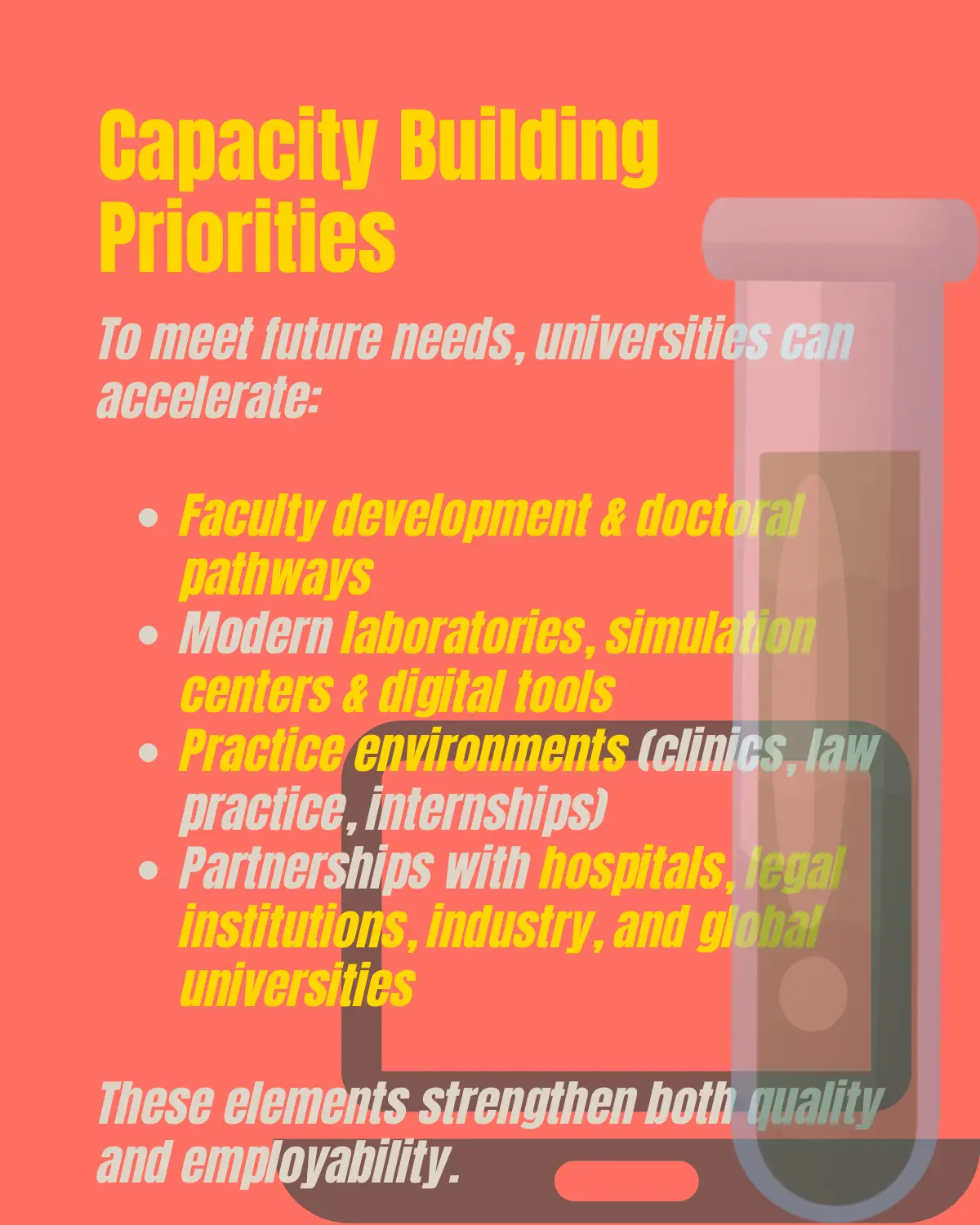
Long-term capacity building will require coordinated investments in infrastructure, faculty development, and academic ecosystems. This is particularly important in fields with major societal impact, where training-to-employment pathways must be strengthened.
Together, these developments reflect a broader agenda to modernise higher education, promote institutional readiness, and support sustainable growth while maintaining access and fairness.
Read the full original post on LinkedIn:
https://lnkd.in/eQ5wHrru